

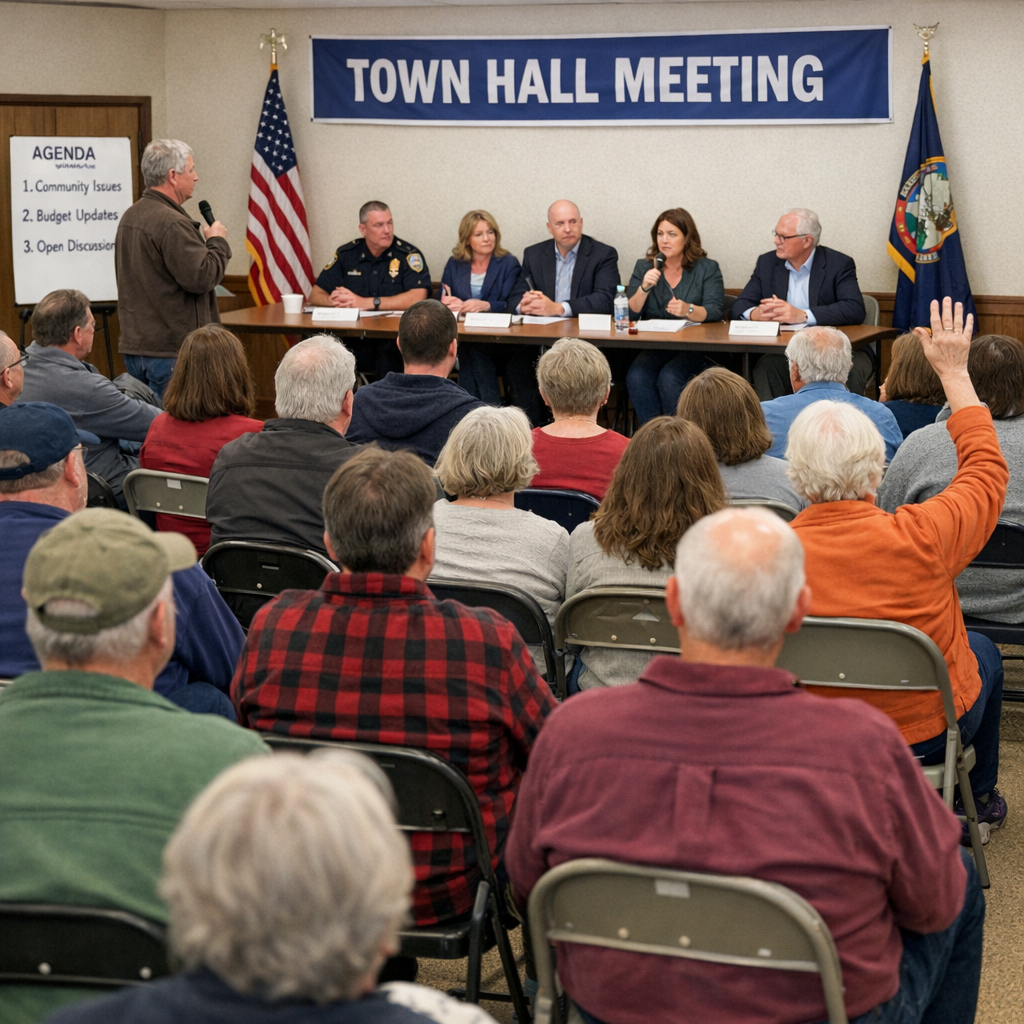
By now, many of us recognize that Cary isn’t really the small town we once moved to. Roads feel busier. New neighborhoods spring up almost overnight, and what once were fields of corn are now communities with names. Growth is exciting—but it also brings hard truths. Here are voices from folks who live here, what they’re seeing, what they fear, and what they hope for.
The Cost of Rising Housing and Taxes
One theme kept surfacing in recent community meetings and surveys: the anxiety over housing affordability. Teachers, emergency responders, service workers—those on the backbone of Cary—often say they’re being squeezed out. Rental prices are rising, homes are getting snapped up, and taxes aren’t staying behind. Several respondents in the Housing Prioritization Survey said they worry about “increasing cost of living” and being “priced out” of the places they’ve always called home.
Trellises of Trees and Green Spaces vs. Concrete Blocks
It’s not just finances. Longtime neighbors talk about the loss of tree cover, natural buffers, and that sense of space that made Cary feel different. As multifamily units and bigger developments move in, there are concerns over traffic safety, nature displacement, and maintaining neighborhood character. The roots of our community—old oaks, creeks blanketed in shade—feel threatened when construction clambers too close.
Feeling Seen, Heard, and Valued
Many residents say transparency and civic engagement have improved, especially through programs like Engage Cary. But they also say feedback sessions sometimes feel symbolic, not consequential. When public input leads to plans that still seem out of touch, trust frays. People say they want local leaders to not just invite them to write comments or attend meetings, but actually reflect what’s shared in policy, zoning, and infrastructure decisions.
What Fosters Belonging in a Fast-Changing Town
- Preserving public spaces: Parks, trails, and greenways help new and old residents connect. A shady bench under a tree or a quiet walking loop—these become anchors.
- Affordable housing close to where we work: For many, long commutes erode both budget and community time. When housing is built far from jobs or services, it heightens isolation.
- Neighborhood input with real impact: It’s not enough to ask. We want follow-through. Accountability. Clarity on how decisions are made.
- Efforts to protect environment and heritage: Trees, waterways, historic structures—all part of what makes Cary unique. We need both planning and vigilance to maintain these threads of identity.
Where We Go From Here
Cary’s leaders and residents are faced with big choices—some not easy. Do we accept growth as inevitable and figure out how to absorb it well, or resist some of it to protect what we have? Do we prioritize community voices when it comes to development, or delegate those decisions to regulatory frameworks? Choices will determine whether Cary feels like home for everyone—or just for those who can keep up.
One thing seems clear: belonging isn’t a passive state. It’s built. Through trees shaded over sidewalks, through affordable homes near schools, through decisions made in public that reflect what people ask for—not just what seems efficient or profitable. Cary has the ingredients for a strong, united community. What remains is living up to that potential.